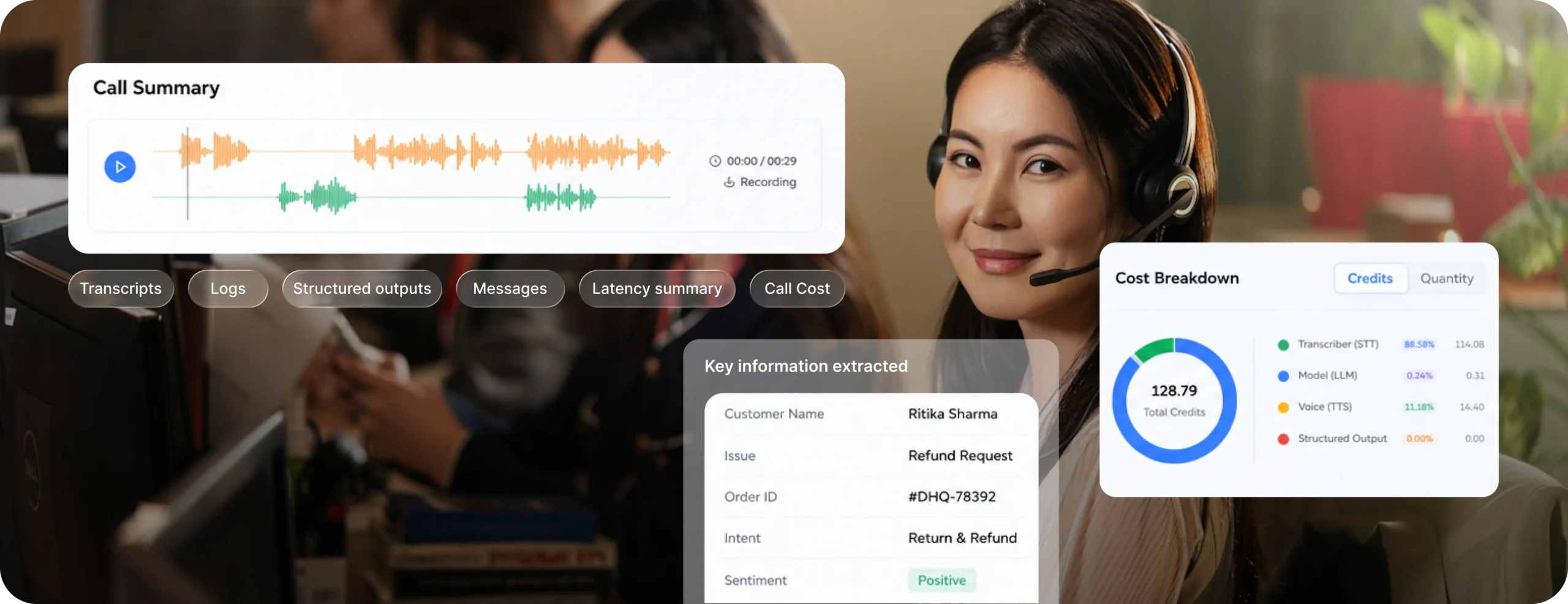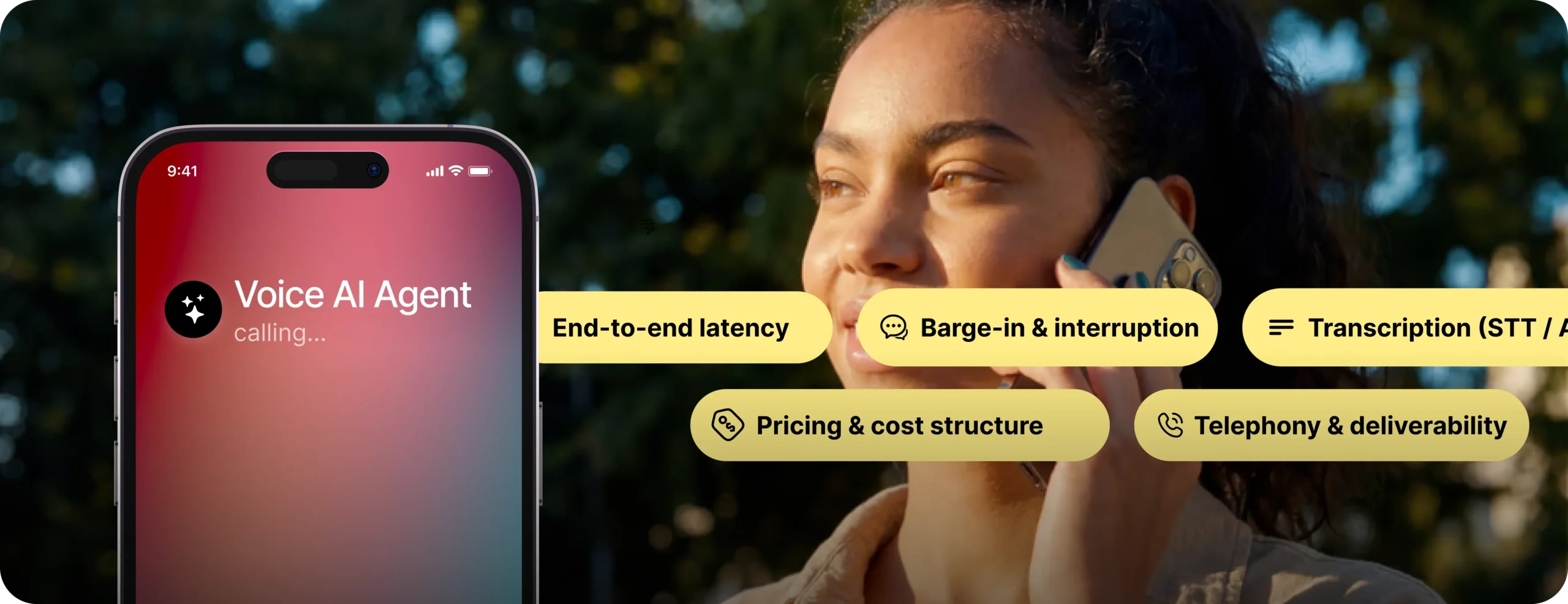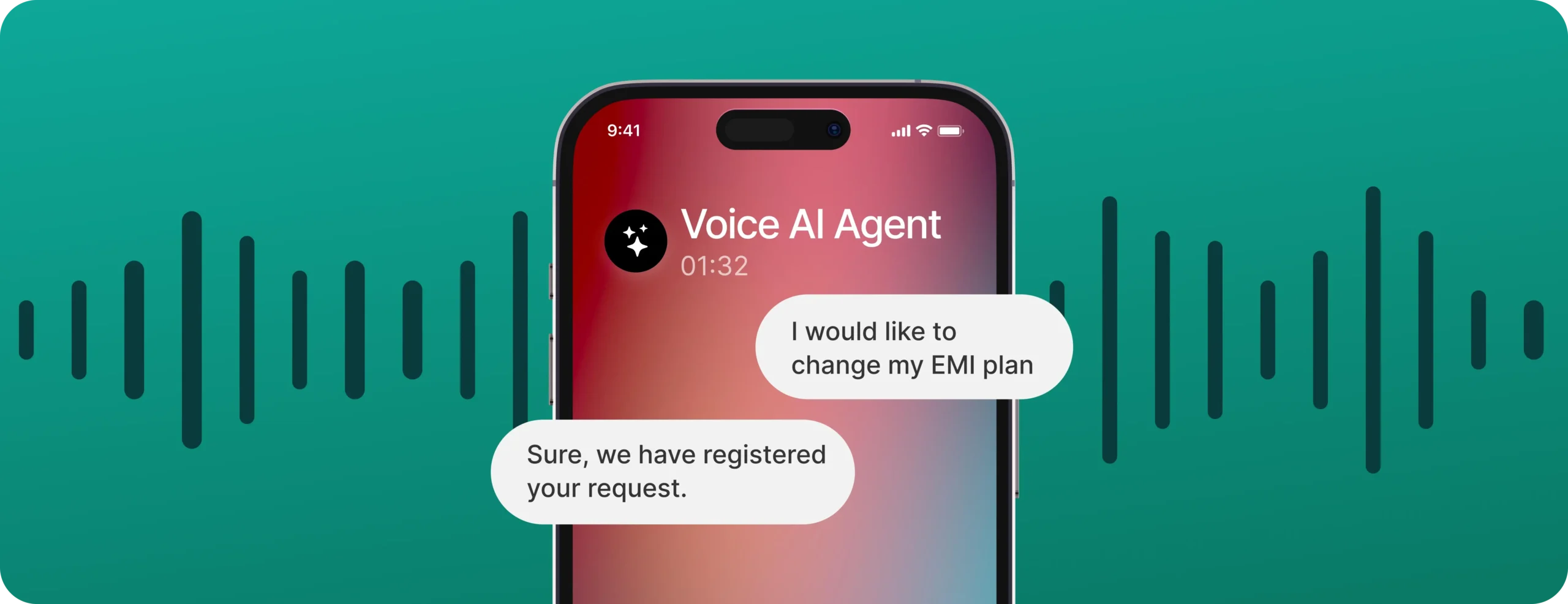

Top voice AI agent platforms for real business workflows
Voice AI is having its second real moment. The first wave proved that machines could speak. This one is testing whether they can handle actual work. That is a higher bar. A useful voice agent does not just sound natural on a call. It needs to understand free speech, hold context, follow logic, take action in other systems, recover when conversations go sideways, and hand off cleanly when humans need to step in. That is why this category is getting crowded so quickly. Some platforms are built for developers. Some are built for contact centres. Some are easier to deploy. The real question is which ones hold up once voice moves from demo to operations.
Why voice AI agents matter more now than they did a year ago
A year ago, a lot of the conversation around voice AI still revolved around whether a bot could sound human enough to pass.
That question has not disappeared, but it is no longer the interesting one. Buyers now care more about whether the system can actually complete the job. Can it book the appointment, update the CRM, qualify the lead, pull the order status, route the support case, or transfer the call with enough context that the human does not need to start from scratch?
That shift changes how this market should be evaluated. Voice quality still matters. Latency still matters. Interruption handling still matters. But those are now part of a larger requirement. A voice AI agent has to function as an operational surface, not just a conversational demo.
That is why this category is split in a useful way. Some platforms are still closest to developer infrastructure. Some are getting stronger as no-code deployment layers. Some are built for enterprise customer service. Some, like DronaHQ, make more sense when the call is only one part of a wider workflow that involves systems, approvals, updates, and follow-up actions.
Read also: Voice AI agents – the best practical applications
What are voice AI agents?
Voice AI agents are AI systems that can speak, listen, understand what a person is saying, and respond in real time, while also being able to do something useful after the conversation.
That last part is what makes them agents, not just voice bots.
A simple voice bot might answer a few scripted questions. A voice AI agent can handle more natural back-and-forth, keep context, ask follow-up questions, and then take actions like booking an appointment, updating a CRM, pulling order status, routing a support ticket, logging a claim, or sending a follow-up.
A voice AI agent usually combines:
- speech-to-text, so it can hear you
- an LLM or reasoning layer, so it can interpret intent
- text-to-speech, so it can talk back
- tools or integrations, so it can act inside real systems
What is a voice AI agents platform?
For this article, I am using a broad but practical definition: A voice AI agent platform is not simply a text-to-speech product with a phone number attached. It is a platform that lets you build, deploy, and operate voice-based agents that can hold conversations and complete defined tasks.
That usually means some mix of speech recognition, language model orchestration, telephony, prompt or instruction design, tool use, system integrations, memory, analytics, and fallback or transfer logic. The stronger products also make it easier to test flows, monitor outcomes, and tune behaviour after launch.
How to evaluate voice AI agent platforms
- The first thing I would look at is call quality in the operational sense, not the demo sense. Does the agent handle interruptions well? Can it recover when someone answers unpredictably? Can it maintain context across a call without becoming robotic or repetitive? A polished sample voice is easy to show. A stable real-time conversation is harder.
- The second is telephony depth. Some platforms are much stronger on the phone infrastructure side. Others assume you will bring more of that stack yourself. If inbound and outbound calling, number management, concurrency, SIP support, or region coverage matter to you, that should be part of the evaluation from day one.
- The third is workflow depth. This is where the category gets more interesting. Some tools are best when you want voice calling as a programmable product surface. Others are stronger when you want business users to deploy support, sales, or scheduling flows quickly. And some only become valuable when they are connected to CRM, helpdesk, calendar, ERP, or internal workflow systems.
- Finally, there is the question of fit. Developer flexibility, no-code speed, enterprise governance, analytics, and pricing transparency pull in different directions. The best platform is rarely the one with the most impressive homepage. It is usually the one whose tradeoffs line up with the work you actually need the agent to do.
Top voice AI agent platforms to know
ElevenLabs
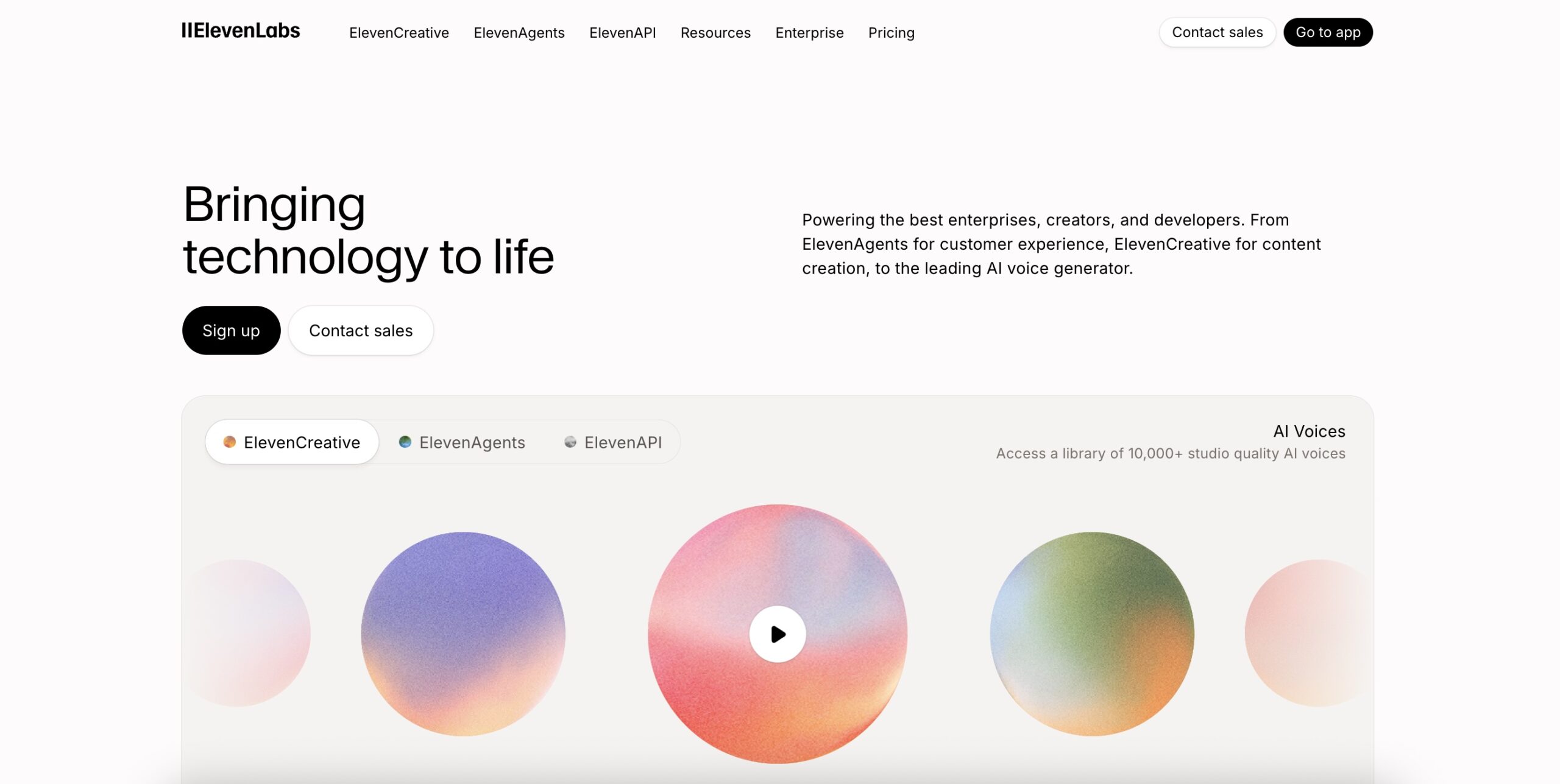
ElevenLabs started in the market’s imagination as a voice generation company, which is fair, but it is not the whole story anymore. It now belongs clearly in the voice AI agent conversation because it offers multimodal agents, telephony, tool use, evaluation features, and app embedding. If you already trust ElevenLabs for voice quality, its agent layer is one of the more natural expansions to consider.
Key features about ElevenLabs
- Strong voice quality and expressive speech remain an obvious advantage when naturalness is central to the experience.
- Supports multimodal agents across voice and chat, which gives it more flexibility than voice-only stacks.
- Offers telephony, SDKs, WebSocket support, tool use, MCP support, and monitoring, which makes it more than a voice layer.
- Useful for teams that want one platform for voice generation and conversational agent deployment rather than stitching multiple tools together.
- Good fit for product teams embedding voice agents into apps, websites, or call flows.
Cons or points to note
- If your main need is phone-call automation at scale, some voice-native call platforms may feel more specialized.
- Costs can become less predictable once telephony, LLM passthrough, and multimodal usage stack up.
- Teams may still need to design the workflow layer carefully because strong voice alone does not create a strong operational agent.
Pricing
Public pricing is available, with ElevenAgents usage billed by call duration plus separate LLM costs.
Retell AI
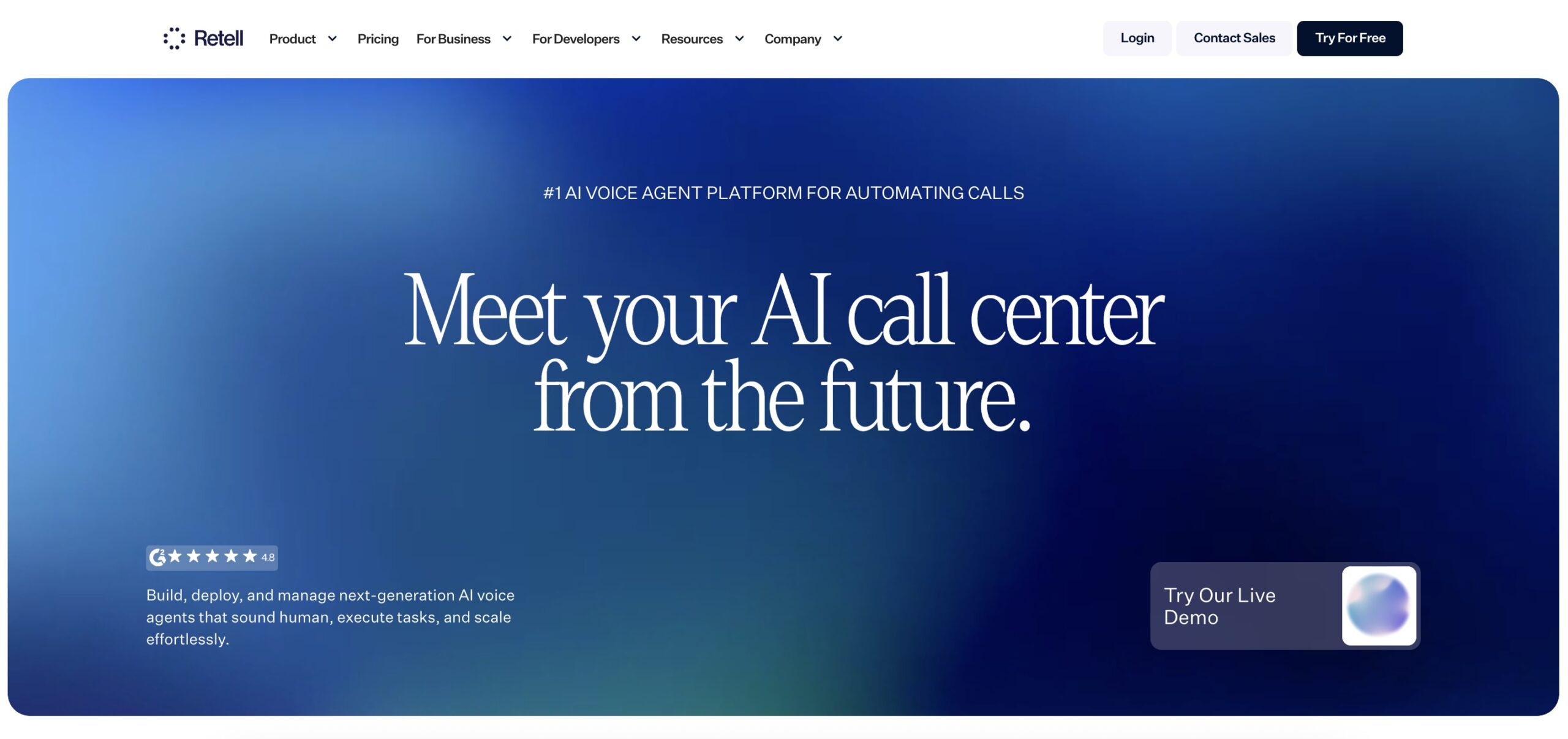
Retell AI is one of the clearest developer-first platforms in this market. It feels built for teams that care about building, testing, deploying, and monitoring production voice agents for phone calls without starting from raw telephony infrastructure. If your mental model is closer to a programmable AI call center than a no-code assistant builder, Retell is easy to take seriously.
Key features about Retell AI
- Strong focus on production phone call automation rather than general AI assistant use cases.
- Supports inbound and outbound calling, agent creation, monitoring, and integration with existing API systems.
- Pricing is relatively legible by market standards, which helps technical buyers model usage earlier.
- Better fit than many tools for teams that want to control call behavior and wire voice agents into existing systems.
- Useful for developers who want a purpose-built voice calling platform instead of adapting a chatbot stack.
Cons or points to note
- More of a technical platform than a no-code business user tool.
- Workflow depth depends on how well you connect it to your own systems and APIs.
- Costs can vary depending on surrounding LLM and infrastructure choices.
Pricing
Public pay-as-you-go pricing starts around $0.07 to $0.31 per minute, with enterprise plans available.
Vapi
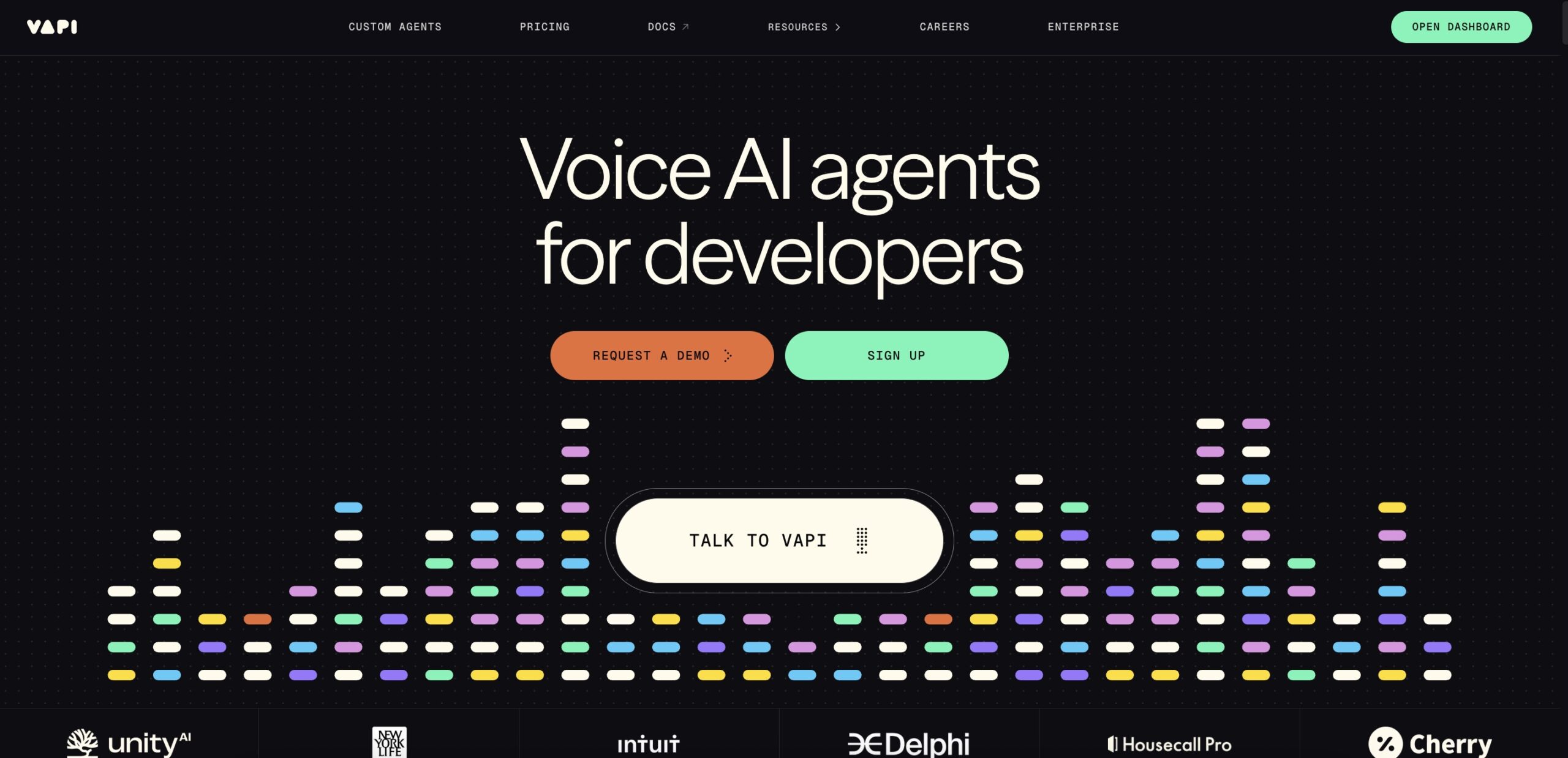
Vapi sits in a similar neighborhood to Retell, but I would describe it as a little more obviously positioned as developer infrastructure for voice agents. The appeal is clear if you want programmable control, tools, workflows, and API-level flexibility without rebuilding the core voice calling layer yourself. It makes the most sense for product and engineering teams, not for buyers hoping for a near-finished business app.
Key features about Vapi
- Strong developer platform positioning with APIs for assistants, calls, workflows, and tools.
- Built-in tool system makes it easier to trigger actions, access data, transfer calls, or connect external systems.
- Supports making and receiving phone calls, with Vapi-managed numbers or imported Twilio numbers.
- A sensible choice for custom voice products, embedded calling experiences, and programmable AI phone workflows.
- Better fit than many no-code products for teams that want deeper control over the stack.
Cons or points to note
- Less friendly for non-technical teams who want to launch quickly without engineering involvement.
- You still need to design the actual business workflow and guardrails well.
- Cost grows with usage, concurrency, and whatever sits around the core call layer.
Pricing
Public usage-based pricing starts with calls around $0.05 per minute, with extra costs for hosting and concurrency.
Synthflow
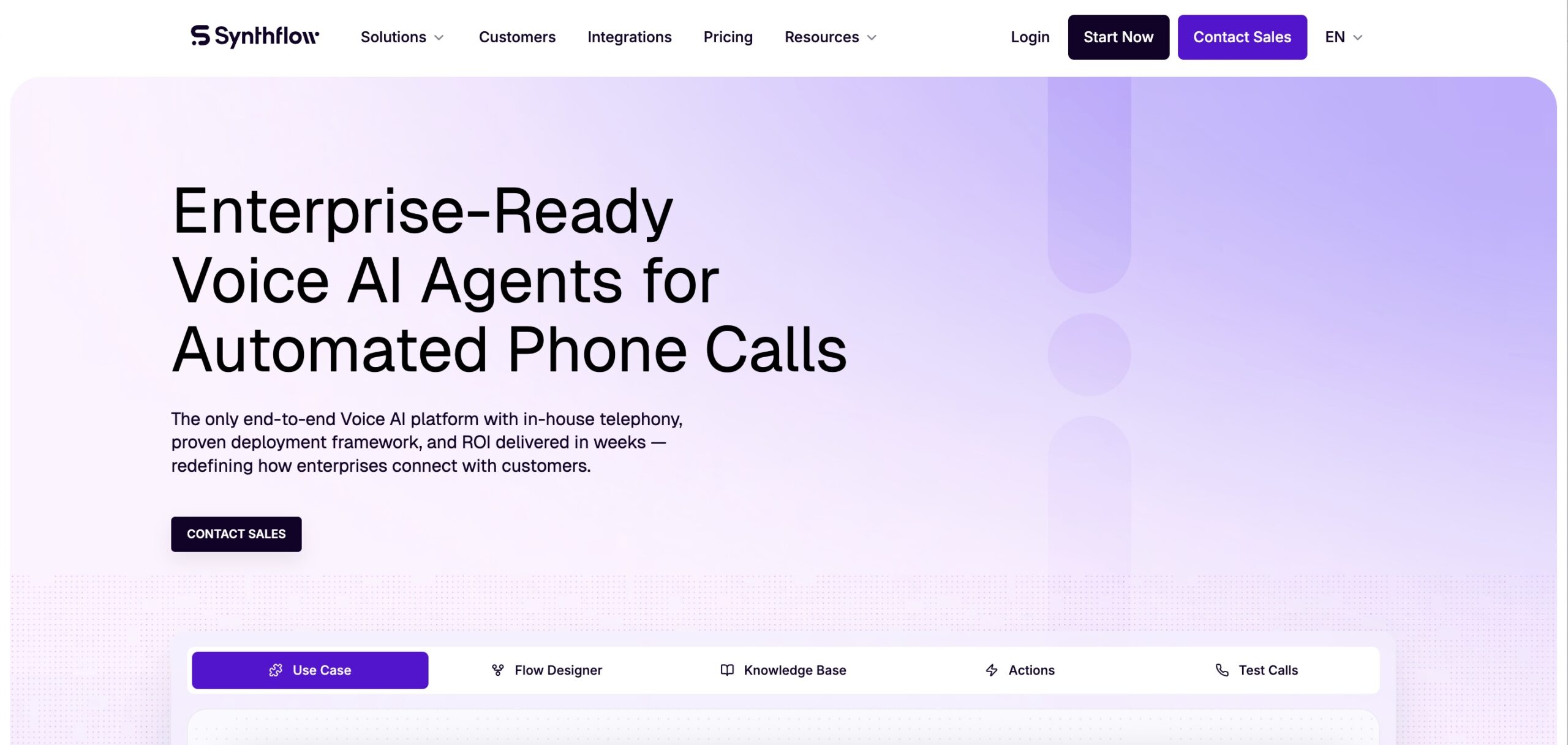
Synthflow belongs to the faster-deployment side of the market. It is trying to make voice AI usable for teams that want to design and operate call automation without living entirely in code. I see it as one of the more practical options for businesses that want appointment flows, support handling, outreach, or operations calls live quickly, while still keeping enough control over logic and integrations.
Key features about Synthflow
- Strong low-code orientation with a visual builder and GUI-based integration flow design.
- Supports configurable agent workflows, multi-agent logic, telephony, analytics, and operational controls in one product surface.
- More approachable than developer-first tools for teams that want to move fast on voice automation.
- Good fit for sales, support, scheduling, and operational call flows where speed to deployment matters.
- Supports agent actions like booking, CRM updates, confirmations, and transfers, which makes it more useful than a pure voice layer.
Cons or points to note
- Teams with very custom voice product needs may find developer-first platforms more flexible.
- As with other faster-deployment tools, the real test is how well it handles messy live calls rather than guided demos.
- Costs are usage-driven and can rise with concurrency and routing add-ons.
Pricing
Public pricing is usage-based, with minute-level cost breakdowns and additional enterprise options.
Bland AI
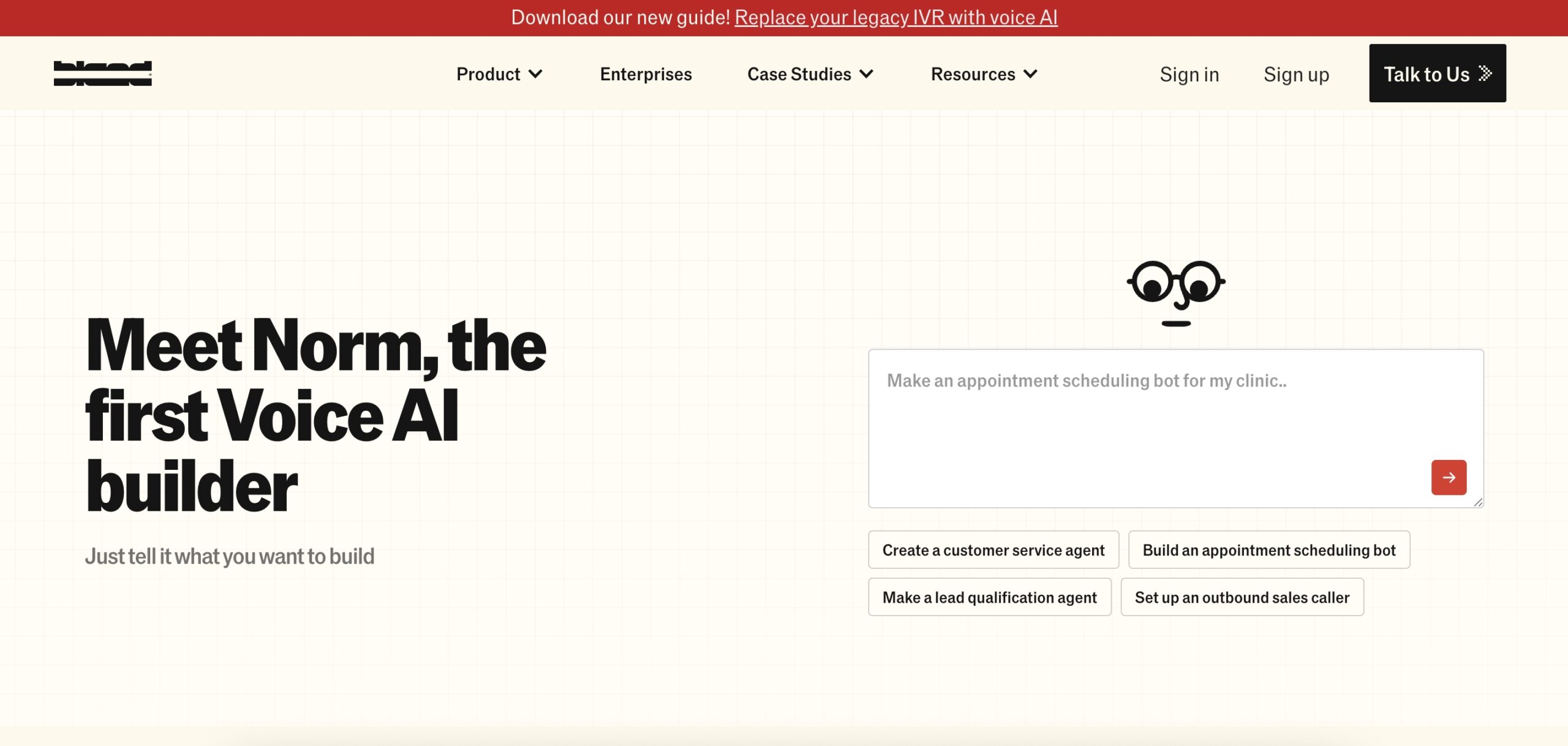
Bland AI has built strong mindshare by being unapologetically about phone calls at production scale. It sits in the part of the market where latency, reliability, infrastructure, and enterprise call handling matter as much as voice quality. It has also positioned itself hard around self-hosted infrastructure and deeper customization, which makes it interesting for larger teams that care about control and security more than ease of setup.
Key features about Bland AI
- Strong position in inbound and outbound phone call automation for production use cases.
- Emphasis on self-hosted infrastructure and enterprise control is a real differentiator in this market.
- Low-latency architecture and SIP support matter for teams replacing or augmenting serious call operations.
- Appeals to both technical and non-technical builders, at least in positioning, which broadens its buyer base.
- More compelling than many startups if security, scale, and infrastructure ownership matter heavily.
Points to note
- The platform can feel more enterprise-oriented than startup-friendly once you move past the surface layer.
- Not every team needs the level of infrastructure emphasis it brings.
Pricing
Self-serve plans are public, with plan-based connected minute pricing and enterprise options.
PolyAI
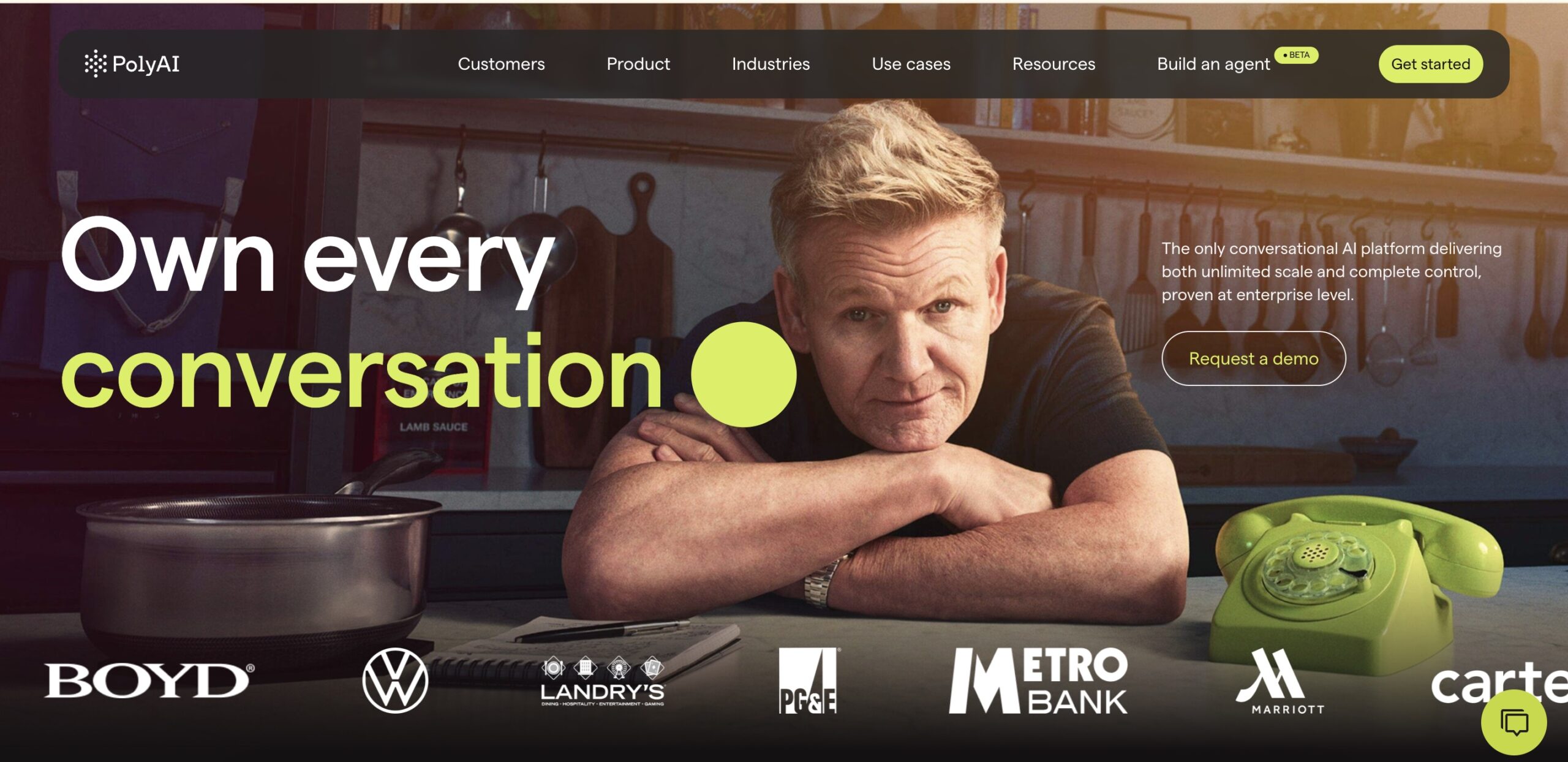
PolyAI sits higher up the enterprise voice AI stack than most of the names on this list. It is less about quick experimentation and more about large-scale customer service, call center automation, and enterprise conversation design. That makes it less relevant for every buyer, but very relevant for companies that care about containment, CSAT, millions of interactions, and broad channel consistency.
Key features about PolyAI
- Strong enterprise focus, especially for customer service and contact center use cases.
- Agent Studio gives it a more controllable build-and-optimize layer than older enterprise conversation products often had.
- Voice-first orientation with expansion into chat and SMS makes it more future-proof than channel-specific systems.
- Better fit than most startup-oriented tools for large consumer brands handling heavy call volume.
- Analytics around containment, resolution, and customer outcomes make it more operationally mature.
Cons or points to note
- Likely too enterprise-heavy for smaller teams or early experimentation.
- Less of a natural fit for internal workflow automation or custom app-embedded voice experiences.
- Pricing and sales process are more involved than self-serve products.
Pricing
Public pricing is available at a high level, with ongoing use priced per minute and enterprise engagement expected.
Ringg AI
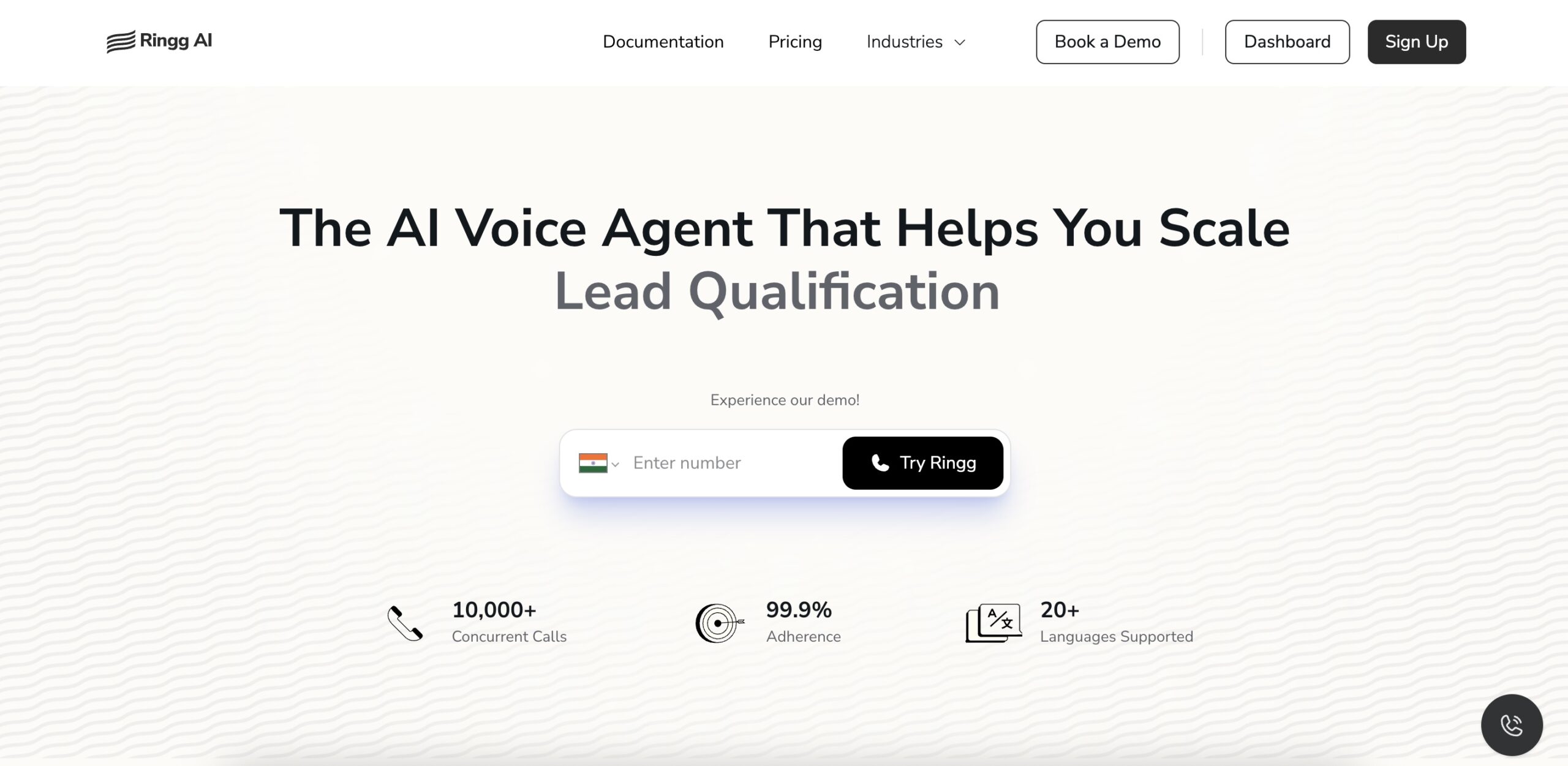
Ringg AI is one of the more business-operations-oriented products in this group. It leans into no-code deployment, multilingual calling, number management, knowledge uploads, and campaign-style use cases. I would look at it if your world is sales outreach, collections, onboarding, or inbound support, and you want a voice agent platform that is closer to an operations tool than a developer SDK.
Key features of Ringg AI
- Good fit for businesses running outbound campaigns, collections, onboarding, support, or operational call workflows.
- No-code setup and built-in number management make it easier to get started without heavy engineering.
- Multilingual support and campaign orientation are useful for international or high-volume call operations.
- Includes knowledge uploads, transcripts, interaction history, and outcome tracking in a way business teams can use.
- All-inclusive pricing posture is attractive for buyers tired of modular voice stack costs.
Cons or points to note
- Buyers should test real conversation flexibility, because script adherence is not the same as open-ended conversation quality.
- Not as obviously developer-extensible
Pricing
Public pricing starts around $0.06 per minute with an all-inclusive positioning.
Lindy
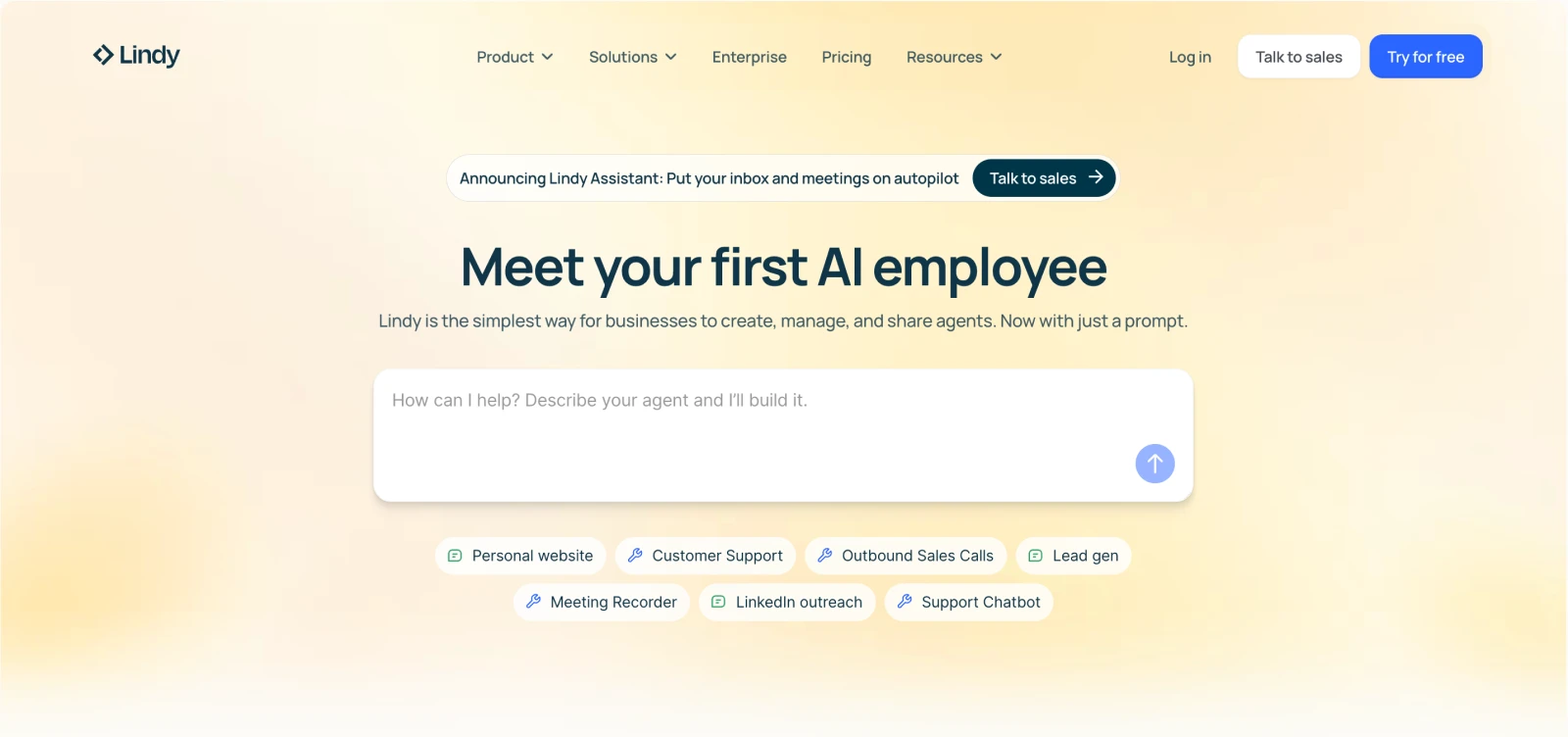
Lindy is a little different from most of the names here because it is not purely a voice AI company. It started as a broader AI assistant and workflow automation product, and voice is one of the ways that product now extends into business use cases. That makes it relevant here, especially for teams that want no-code voice agents tied to scheduling, inbox actions, follow-ups, lead qualification, or business process automation.
Key features about Lindy
- Strong no-code orientation for teams that want voice plus broader assistant and workflow automation.
- Useful for sales, recruiting, support, scheduling, and follow-up use cases where phone calls are only one part of the process.
- Easier to understand for business users than many developer-first voice agent platforms.
- Integrations and automation breadth help it act more like an AI operations assistant than a narrow call tool.
- Good fit for smaller teams that want practical business automation before enterprise call center sophistication.
Cons or points to note
- Less voice-native than some of the platforms built entirely around phone automation.
- Teams with serious call centre needs may outgrow it faster than they would PolyAI, Retell, or Bland.
- Pricing and credits can become harder to interpret as usage patterns broaden.
Pricing
Public subscription pricing is available, with phone numbers and voice minutes priced separately for Lindy Phone.
DronaHQ
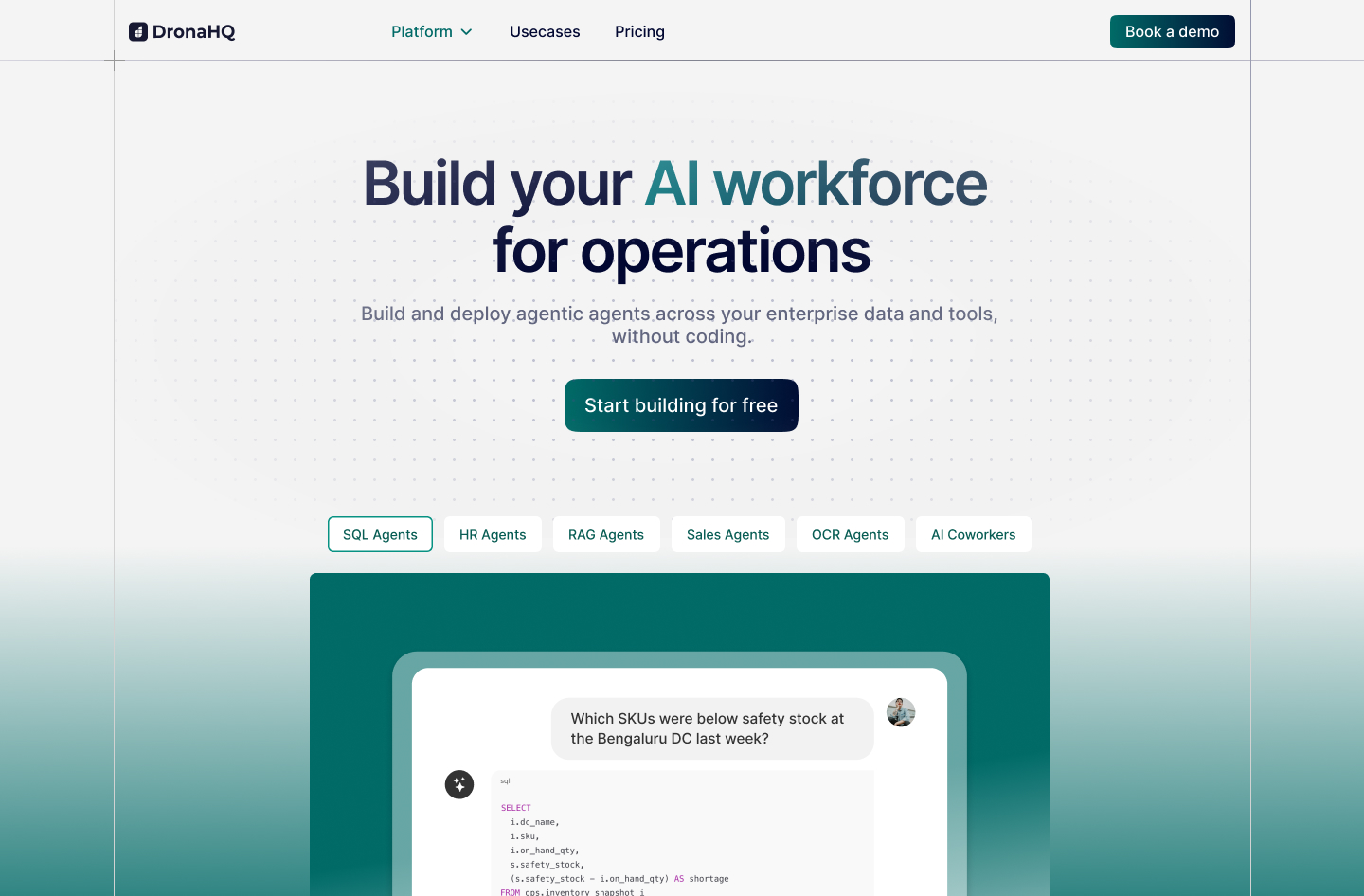
DronaHQ belongs in this list for a different reason than most of the others. It is not trying to win only on voice quality or telephony depth. Its angle is that a voice agent should connect directly to workflows, CRMs, helpdesks, APIs, and internal systems so the conversation leads to an actual business outcome. That makes it especially relevant for teams building support, appointment, collections, service, or operations agents that need to act, not just talk.
Key features about DronaHQ
- The platform is built around agents that connect to business systems and complete tasks.
- Better fit than many voice-only products for appointment management, support triage, CRM-linked outreach, and internal operations use cases.
- Sits inside a broader agentic platform with tools, memory, RAG, observability, and guardrails, which matters when voice is only one interface.
- Useful for teams that want one platform for chat, voice, data agents, and workflow-connected AI experiences.
- Especially compelling when the value of the call depends on what gets updated or triggered afterwards.
Cons or points to note
- Buyers who only want a narrow developer telephony layer may prefer other tools.
- Buyers who only care about enterprise call center scale may lean toward PolyAI or Bland.
- The platform makes the most sense when voice is part of a larger agentic workflow, not an isolated call bot.
Pricing
Pay-as-you-go pricing that’s purely usage based. No subscription plans. Check DronaHQ’s agentic platform plans, with AI credits, tool calls, and add-ons.
Which voice AI platform is best for which use case
If you are a developer team building custom voice products, Retell AI and Vapi stand out first. Both are easier to place as programmable voice AI infrastructure with strong API control and telephony focus.
If you want no-code deployment and faster operational setup, Synthflow, Ringg AI, and Lindy are easier to understand. They make more sense when business teams want to move quickly on outreach, support, booking, or follow-up workflows.
If you are operating at enterprise contact center scale, PolyAI and Bland AI feel more natural. PolyAI is especially relevant for customer service-heavy environments, while Bland leans harder into infrastructure, speed, and enterprise control.
If you care most about voice quality plus a growing agent platform, ElevenLabs is in a strong position. It is especially appealing for teams already inside its ecosystem or building voice-rich customer experiences.
If your voice agent needs to trigger broader workflows, update business systems, and sit inside a larger agent stack, DronaHQ is the most workflow-native fit in this list. It makes more sense than a pure voice platform when the call is just one interface into a larger business process.
Where voice AI agent platforms fit in the broader AI stack
Voice agents rarely create most of their value during the conversation itself. The value usually shows up right after. A meeting gets booked. A record gets updated. A support issue gets routed. A field service appointment gets confirmed. A payment reminder gets logged. A claim intake workflow starts. That is why voice AI now belongs in the broader agent stack, not just in the telephony stack.
This is also why the category is moving beyond text-to-speech, speech-to-text, and chatbot comparisons. Once a voice AI agent becomes part of sales, support, operations, or internal workflows, the surrounding system matters just as much as the quality of the conversation. Memory, tool use, CRM access, workflow orchestration, analytics, fallbacks, and human handoff are what make a voice agent usable in production.
For some teams, that means a developer platform like Vapi or Retell. For others, it means a no-code or business deployment layer like Synthflow, Ringg AI, or Lindy. And for workflow-heavy environments, it increasingly means connecting voice to a broader agent platform like DronaHQ.
Final thoughts
The voice AI market has matured enough that sounding human is no longer a sufficient differentiator. Buyers now need to ask a harder question: what happens after the caller speaks?
If you are building custom voice products, lean toward developer-first platforms. If you need business teams to launch quickly, look harder at the no-code and low-code options. If your world is contact centers and enterprise customer service, prioritize control, analytics, and operational maturity. And if your use case depends on workflows, system actions, and business outcomes beyond the call itself, make sure you are evaluating voice as part of a larger agentic stack.
The best voice AI agent platform is not the one with the best demo voice. It is the one that reduces the operational load the most once the call goes live.
Ready to move from conversation to action? Build your next voice agent on a full-featured agentic AI platform – DronaHQ.
Related Articles