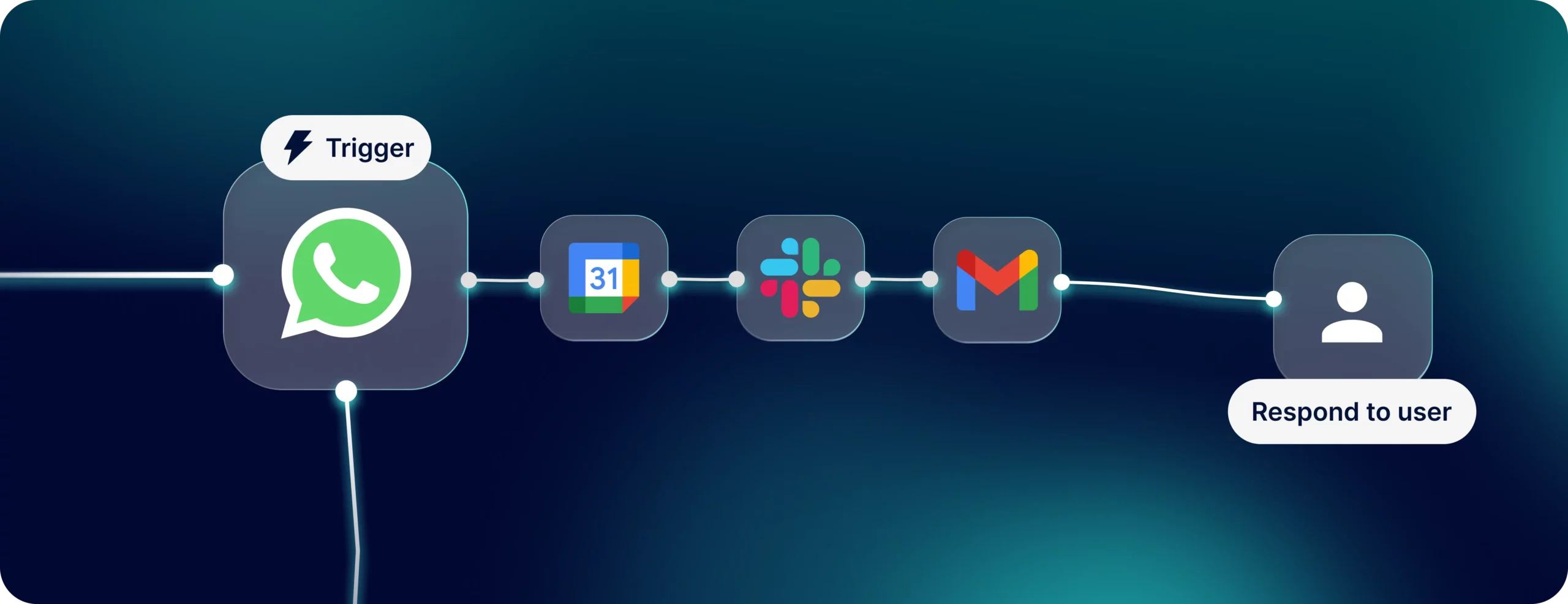
AI agents in retail: Reinventing the bookstore experience
Walk into a bookstore, and you’re stepping into more than just rows of shelves. You’re stepping into possibility. A great bookseller doesn’t just know what’s in stock; they know what might speak to your moment, match your mood, or surprise you entirely.
But as chains grow and footfall increases, this kind of presence is getting harder to scale. Stores have more titles than ever, readers come with wildly varied tastes, and staff turnover makes it tough to maintain depth across genres. The best bookstores aren’t the quiet ones anymore, they’re the curious ones.
That’s where agentic AI enters the story.
Open this agent simulation in a new tab
Most digital tools in bookstores today focus on logistics: POS, inventory, loyalty apps. Even recommendation engines reduce people to patterns and push generic options. What bookstores need is something more human.
Agentic AI and AI agents bring context, continuity, and initiative to the retail floor. They don’t just tell customers what to buy. They help staff remember, respond, and connect—even when the store is packed.
Imagine a system that quietly remembers what a customer read last summer, recognises their genre shifts over time, and suggests a new arrival that builds on that evolution. Now imagine that system making you sound like the kind of bookseller who never forgets a reader.
The “Reader Memory” agent
Turning familiarity into loyalty
In most stores, even regulars are treated like strangers. A bookseller might recognise a face, but not a name—let alone last purchase or taste trajectory.
When a customer scans their loyalty ID or connects to Wi-Fi, the reader memory agent activates. On a staff tablet, it quietly displays:
- Favourite genres
- Last few purchases
- The authors lingered over
The system doesn’t interfere. It just helps staff connect the dots.
“If she liked Elena Ferrante, she might enjoy this new Italian coming-of-age novel that just came in.”
Recognition becomes recommendation. Recommendations become rituals.
The “Literary Guide” agent
Making every staffer sound seasoned
Open this agent simulation in a new tab
What happens when a new hire is asked for something like The Midnight Library, but not as philosophical and with a bit more pace?
Most would smile awkwardly and offer, maybe, a Colleen Hoover title. But with an AI literary guide, even new staff can:
- Type in reader intent
- Get 2–3 handpicked titles
- See why they’re relevant
- Know exactly where to find them
It doesn’t just assist. It elevates. You sound like someone who gets books.
“This one’s faster and plot-driven, but still has that emotional what-if thread. Want me to walk you there?”
The “Community Builder” agent
From store to cultural space
Bookstores aren’t just for buying. They’re for belonging. The community builder agent watches what genres are trending locally, what kinds of events draw crowds, and who keeps showing up.
It nudges staff with:
- “Mystery readers are peaking again. Maybe a themed night next Thursday?”
- “The children’s aisle has had high footfall lately. Consider a Saturday morning story hour.”
With just a few prompts, your store becomes a space people return to and not just for books, but for moments.
The discovery kiosk
When browsing becomes a conversation
At a touchscreen near the entrance or on a mobile prompt, a curious visitor can type:
“The last book I loved was The Alchemist.”
The agent responds:
- “You might enjoy The Book Thief or Kafka on the Shore“
- “Want something more spiritual or more surreal?”
Once they choose, it guides them to the shelf and alerts nearby staff:
- “Customer browsing modern fantasy, aisle 3.”
Browsing becomes guided. Staff become attentive. Discovery becomes a delight.
Architecture of the agentic bookstore
What makes all this work is not just one AI feature. It’s a reasoning stack:
- The Brain (Reasoning Engine): Trained on literary databases, it maps genres, understands narrative themes, and interprets vague or emotional reader input.
- The Memory (Reader Context): Tracks reading history, loyalty data, search intent, and community participation.
- The Hands (APIs): Ties into inventory, loyalty systems, store layout, and event calendars.
- The Face (Interaction Layer): Shows up as tablets, kiosks, mobile chat, or subtle nudges to floor staff.
Just like the best booksellers, it pays attention. And it shows up where it matters.
Stories still sell books. AI just helps staff tell them better.
Agentic AI doesn’t turn bookstores into vending machines. It turns staff into guides. Into rememberers. Into local literary heroes.
When someone says, “I want something that reminds me of Normal People, but less intense,” and your new hire knows exactly what to recommend, that’s agentic AI doing its job.
In the hands of passionate booksellers, AI becomes a tool for deeper service, richer experiences, and a store that doesn’t just sell books, it builds relationships one recommendation at a time.
Let the algorithm do the remembering. You do the connecting. Because the future of bookstores isn’t about fewer people. It’s about better conversations.
Curious how agentic AI can work inside your bookstore chain? Talk to an expert at DronaHQ to explore.
Related Articles