
9 best Lovable alternatives in 2026
The market for Lovable alternatives split faster than most comparison blogs admit. Some tools chased the same prompt-to-app feeling and tried to make it cheaper, broader, or more developer-friendly. Others pulled the category toward design workflows, code ownership, or enterprise app building. So if you are comparing AI app builders against Lovable, the real job is not finding tools that can generate an app from a prompt. The real job is figuring out which ones still behave well after the first exciting version, when you need cleaner edits, stronger logic, repo control, real data, or a path that does not collapse under iteration.
Lovable earned its place because it made app creation feel unusually immediate. You could describe something in plain language and get a product-shaped result fast enough to keep momentum. That still matters. What changed is the buyer. In 2026, people coming to this category are not just curious. Many have already tried one of these tools, shipped something rough, hit a wall, and now want a better second bet.
That is why this article stays tight. It does not drift into classic low-code platforms, IDE copilots, or internal tool builders that only look relevant from a distance. This is a guide to the products that actually belong in a Lovable alternatives shortlist.
Read also: Lovable Review – a deep dive
Why people actually look for a Lovable alternative
Most people do not leave Lovable because they suddenly dislike prompt-based building. They leave because one part of the workflow starts hurting.
Sometimes the output looks good early, then gets harder to change cleanly. Sometimes the app starts needing real backend behavior. Sometimes the design matters more than the generated logic. Sometimes the team wants GitHub, code access, or a steadier development environment. Sometimes the builder is a founder at first and an operations team three weeks later. Sometimes the app moves from “can we make this?” to “can this live inside a real company?”
That is why broad “best AI app builder” lists are usually unhelpful. They flatten very different tools into one market story. Lovable alternatives only make sense when you compare them through the friction that pushes someone away from Lovable in the first place.
What counts as a Lovable alternative
Lovable alternatives need to share the same entry point: prompt-first building, low setup friction, fast visual output, and conversational iteration.
That rules out a lot of adjacent software. A coding assistant inside an IDE is not a Lovable alternative. A traditional app platform that later added AI helpers is not the same thing either. This list stays focused on the tools that live in the same neighbourhood, even if they take the workflow in different directions once you get deeper.
How this list was built
The shortlist comes from official product pages, docs, pricing pages, category comparisons, recent product commentary, and repeated user observations about what these tools feel like after the first few iterations. The core filter was simple: if someone says they are looking for Lovable alternatives, would this product genuinely come up in that decision, or are we forcing it in to make the list look more complete?
The 9 best Lovable alternatives in 2026
1. Bolt.new
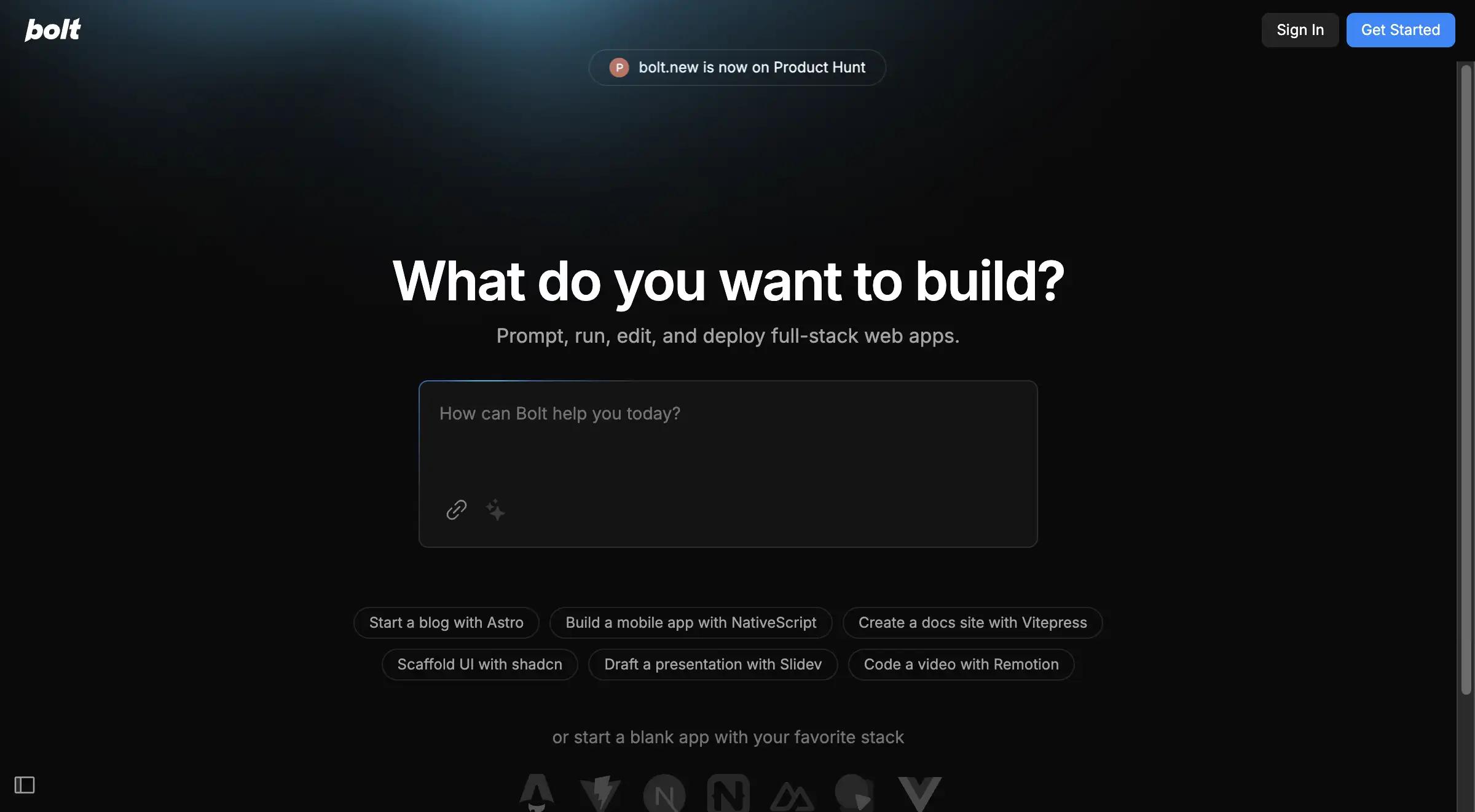
Closest Lovable-style substitute for fast browser-based app generation. Bolt.new is a prompt-first full-stack builder for founders, solo builders, agencies, and teams that want to move from idea to working prototype quickly. It is best for people who value momentum more than deep control in the first phase.
Why it stands out
- One of the closest products to Lovable in feel, entry point, and pace
- Works well for fast MVPs, concept validation, and short-cycle experiments
- Browser-based workflow keeps setup low and makes casual testing easier
- Strong choice for teams that want to compare tools side by side without changing how they build
- Keeps the early build experience light, which matters when the goal is speed and not process
Where it weakens
- Iteration gets harder once the app becomes logic-heavy or structurally messy
- Fast output does not always translate into clean long-term change management
- Better for early motion than for teams already thinking about app maintainability
Pricing: Free plan available. Paid plans start at $25/month. View pricing
2. Base44
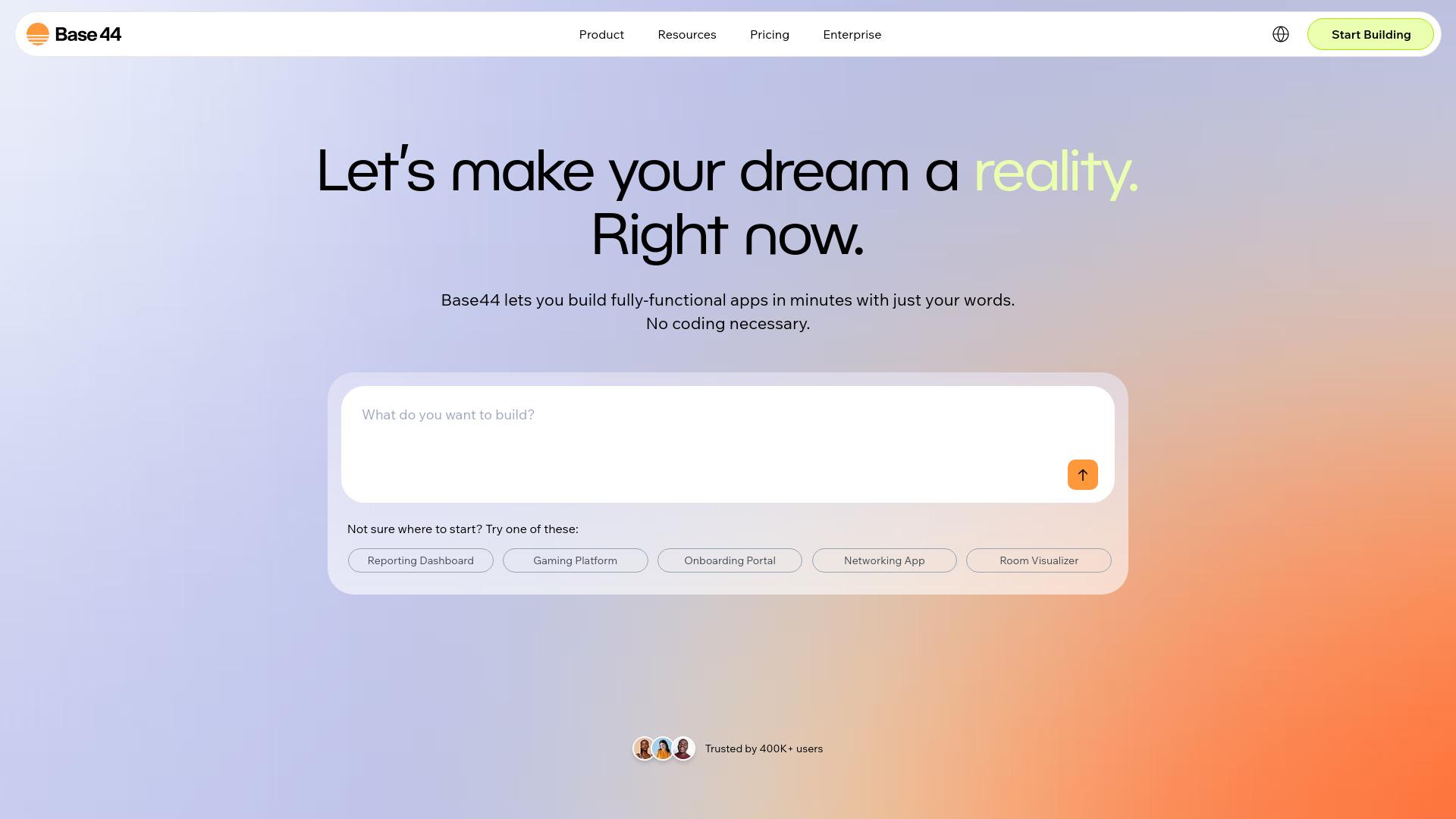
Lovable-style text-to-app builder with a stronger app-builder posture. Base44 is a plain-language app builder for solo builders, small teams, and startup operators who want generated apps to feel a little more complete from the start. It is best for people who want built-in app primitives such as auth, data, and structure to feel more central to the workflow.
Why it stands out
- Very close to Lovable in category, promise, and buyer intent
- Makes the app itself feel more central than the generated demo effect
- Built-in auth, database functionality, and app features make it easier to think beyond screens
- Good fit for MVPs, lightweight internal tools, and early product builds
- Clearer commercial model than some newer competitors in the same category
Where it weakens
- Still exposed to the same prototype-wall risk that affects many vibe coding tools
- Custom requirements can make later iterations harder to manage cleanly
- Not the clearest answer for teams already planning serious production workflows
Pricing: Free plan available. Paid plans start at $20/month. View pricing
3. Emergent
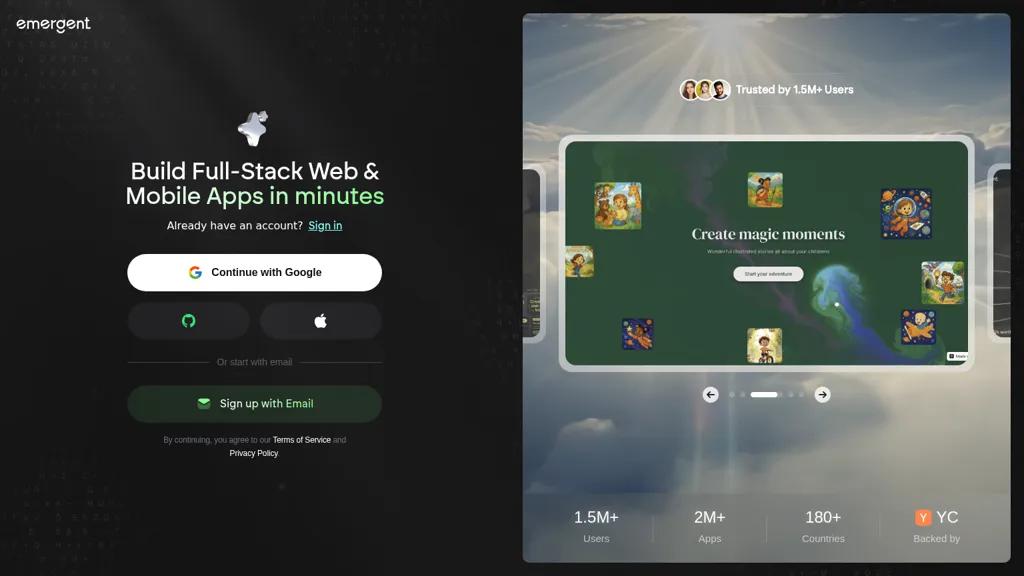
Direct Lovable alternative with a more serious product tone. Emergent is a conversational app-building platform for product managers, startup teams, and non-technical builders who want AI to handle a large part of the work. It is best for people who like the vibe coding category but want a product that sounds more delivery-oriented than experimental.
Why it stands out
- Clean overlap with Lovable in how the build starts and evolves
- Strong for users who want AI-led generation without classic visual-builder complexity
- Feels purpose-built for the same buyer who wants speed and app output through conversation
- Better fit than many broader AI builders because the product scope is still app-focused
- Useful for teams that want a more serious commercial and product posture around the same basic flow
Where it weakens
- “Production-ready” still needs to be tested in real iteration, not taken at face value
- Like many direct peers, it can get harder to control once the product becomes more custom
- Less differentiated if the buyer already knows they need code ownership or enterprise structure
Pricing: Free plan available. Paid plans start at $20/month. View pricing
4. v0
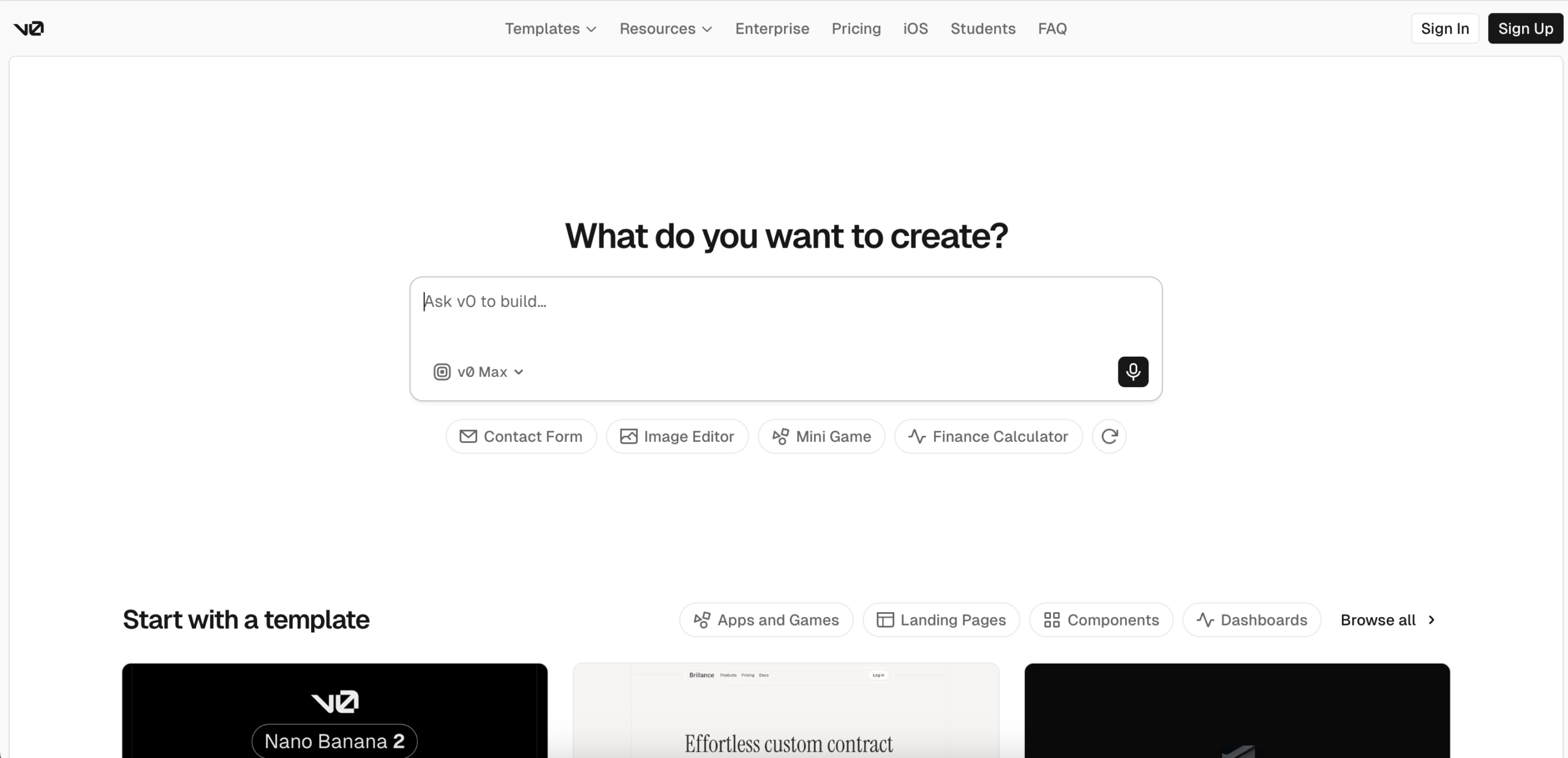
Best Lovable alternative for frontend-heavy app generation. v0 is an AI app builder with a strong UI and code workflow orientation for product teams, designers, frontend engineers, and founders who care deeply about the visible layer of the product. It is best for people who want a better bridge from generated output into code and repositories.
Why it stands out
- Stronger than most direct peers when interface quality matters early
- Better fit for teams that want generated output to flow into repo-based work
- More attractive to frontend-minded builders than broad all-purpose app generators
- A good second step for people who liked Lovable’s speed but want cleaner code continuity
- Works well when the real bottleneck is scaffolding and UI production, not just app ideation
Where it weakens
- Less natural when the core problem is backend structure or broad app behavior
- Not every Lovable user is actually looking for a frontend-first tool
- Can feel less all-in-one if someone wants AI to own more of the application logic
Pricing: Free plan available. Premium starts at $20/month. Team plans start at $30/user/month. View pricing
5. Replit
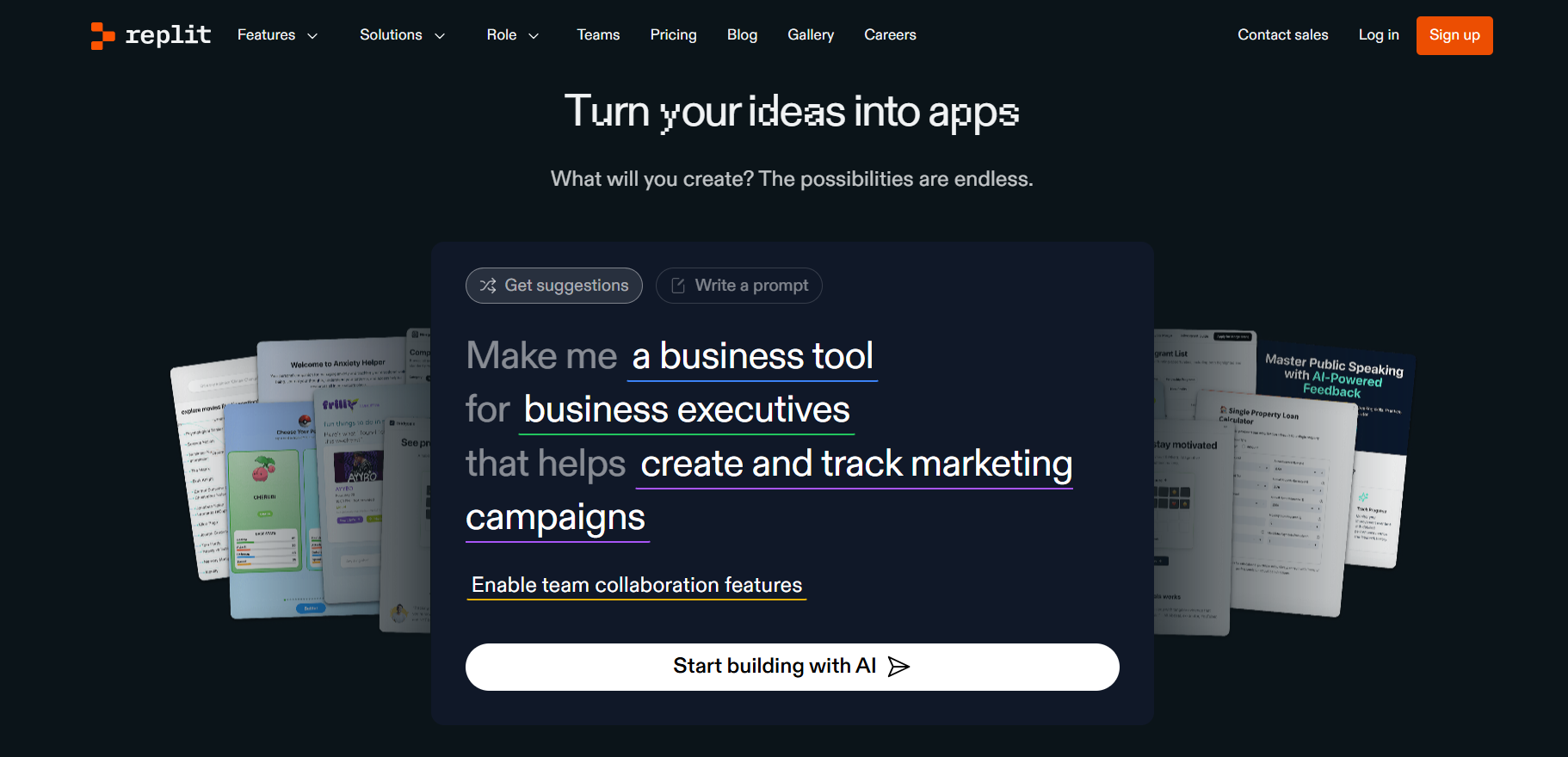
Best for builders who want AI help inside a more recognisable development environment. Replit is an AI-assisted app building and coding platform for developers, technical founders, and hands-on builders who want the speed of vibe coding without stepping too far from actual development workflows. It is best for users who expect the app to get technical quickly.
Why it stands out
- Keeps the builder closer to code, infrastructure, and deployment logic
- Better continuity from generated start to real software work
- Strong fit for technical users who feel uneasy inside pure black-box generators
- Useful when the app is likely to move beyond prototype mode fast
- More believable for builders who want AI acceleration without leaving the dev environment behind
Where it weakens
- Heavier than Lovable for people who want the easiest possible start
- Less inviting for non-technical users or casual experimentation
- The broader environment can feel like too much if speed is the only goal
Pricing: Free plan available. Pricing depends on usage and plan type. View pricing
6. Figma Make
Best Lovable alternative for design-led teams. Figma Make is an AI-powered creation layer inside the Figma ecosystem for product designers, design-led founders, and teams that already think through flows visually. It is best for people whose app work starts from interface intent rather than a pure text prompt.
Why it stands out
- Strongest fit when design is the real starting point of the product workflow
- Shortens the path from interface concept to something functional
- Feels more natural than general app builders for teams already working inside Figma
- Helps design-led teams turn visual direction into interactive output faster
- Supabase connectivity makes it more than a mockup-only layer
Where it weakens
- Less useful if the main challenge is backend behavior or dev workflow depth
- Narrower than broad text-to-app tools for teams that do not work from design-first thinking
- Best value depends heavily on how central Figma already is to the team
Pricing: Access depends on Figma plan type and AI credits. View pricing
7. Firebase Studio
Best for builders already leaning into Google’s app ecosystem. Firebase Studio is an AI-infused development workspace for builders who want prompt-led app creation closer to Firebase, hosting, backend services, and Google’s wider stack. It is best for users who care about ecosystem fit as much as the initial build experience.
Why it stands out
- Makes more sense than startup-built alternatives for teams already committed to Firebase
- Stronger backend and platform gravity than lighter vibe coding products
- Useful when the app is likely to depend on Google services anyway
- Better fit for users who want AI-led creation inside a broader development workspace
- Free access lowers the barrier to experimentation
Where it weakens
- Less charming and less lightweight than the pure prompt-first tools
- Feels more like a workspace than a tightly focused app-generation product
- Current preview status and sunset path introduce strategic caution
Pricing: Firebase Studio access is currently free, with usage-based costs on connected services. View pricing
8. Create.xyz
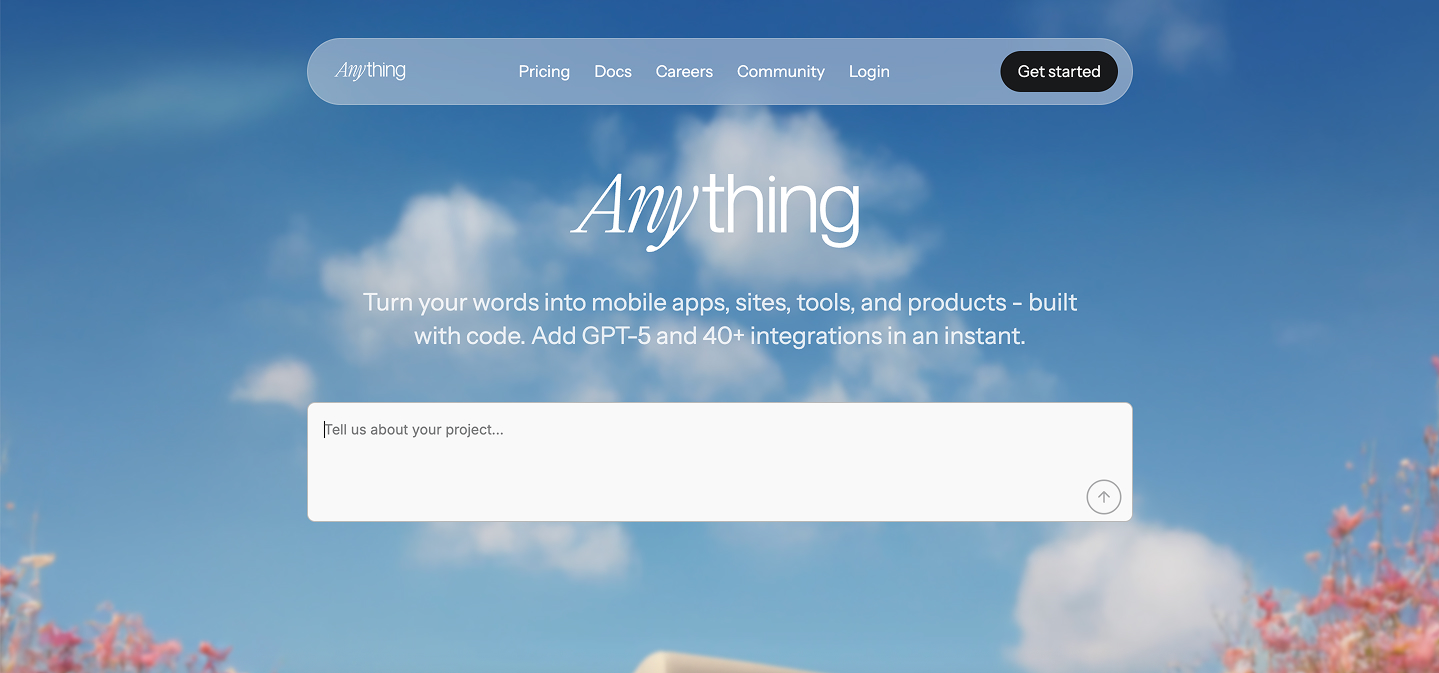
Broad plain-language builder for fast, lightweight app creation. Create.xyz is a text-to-app platform for non-technical builders, startup tinkerers, and teams that want to stay in natural language as long as possible. It is best for people who value accessibility and quick output over deep specialisation.
Why it stands out
- Easy to grasp in the first hour, which is still a major advantage in this category
- Broad enough for apps, tools, and lightweight product experiments
- Good fit for teams that want to keep the workflow simple and language-led
- Useful for quick internal tools or early product concepts with limited complexity
- Straightforward pricing compared with more enterprise-oriented products
Where it weakens
- Broad positioning makes it harder to pin down as the best answer for a specific deeper need
- Less differentiated once buyers start caring about design depth, code continuity, or enterprise controls
- May feel too general for teams already past the experimentation stage
Pricing: Free plan available. Paid plans start at $19/month and go up to $199/month. View pricing
9. DronaHQ
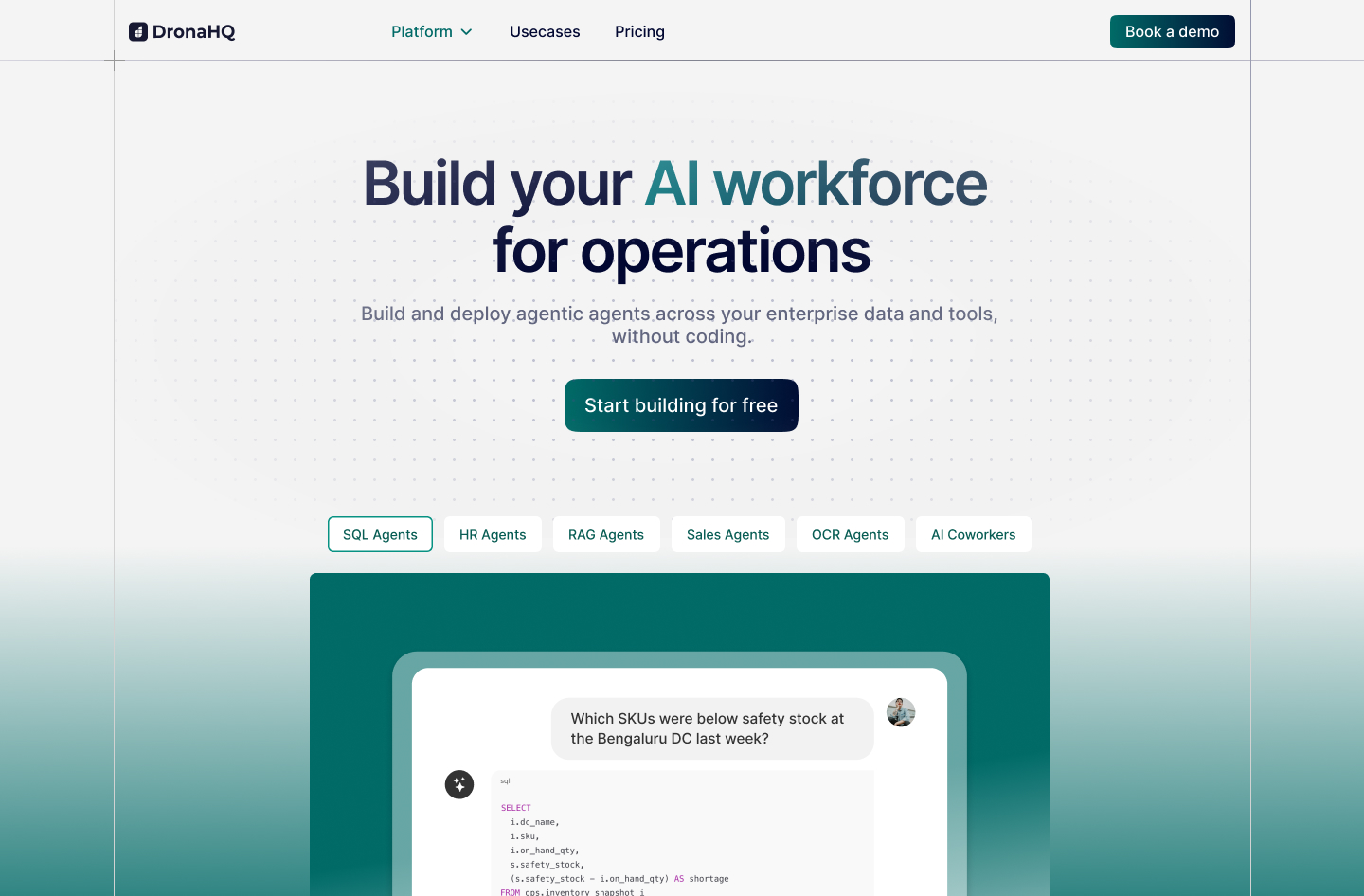
Enterprise-oriented alternative for internal apps and operational software. DronaHQ is an AI-powered developer platform for teams building internal tools, back-office apps, dashboards, workflows, and structured business software. It is best for product teams, operations teams, and engineering-led groups that have already moved past the “quick demo” phase and need a more governed build path.
Why it stands out
- Stronger fit for business operational software than the pure vibe coding tools
- Better aligned with structured workflows, enterprise controls, data integrations, and maintainability
- Useful when the app has moved from concept to team-facing business utility
- More credible for back-office apps, approval flows, admin panels, and operational dashboards
- Gives teams a path when surface-level generation is no longer enough for the use case
- One toolkit for apps, agents, automations
Where it weakens
- Less relevant for casual testing, lightweight public MVP ideas
- Custom branding is available exclusively for Business tier and above.
Pricing: Usage-based pricing. View DronaHQ pricing
Quick comparison table
| Platform | Where it fits best | Advantages | Limitations |
| Bolt.new | Fast browser-based prototypes | Closest Lovable-like feel | Iteration can get messy as apps grow |
| Base44 | MVPs and small app products | App-builder feel with built-in primitives | Production depth still needs caution |
| Emergent | Direct conversational app building | Similar category fit with more serious posture | “Production-ready” still needs proof |
| v0 | Frontend-heavy products | Strong UI output and code path | Less natural if the core problem is not interface-led |
| Replit | Technical builders | Better continuity into development work | Heavier for casual or non-technical users |
| Figma Make | Design-led teams | Strong design-to-functional workflow | Narrower outside design-driven use cases |
| Firebase Studio | Google-stack builders | Ecosystem fit and backend depth | Preview lifecycle adds strategic caution |
| Create.xyz | Fast plain-language builds | Easy to understand and start with | Broad promise can feel less differentiated later |
| DronaHQ | Enterprise apps | Better fit for governed operational software | Less relevant for lightweight public MVP play |
Which Lovable alternative should you choose?
Choose Bolt.new if your main priority is staying close to Lovable’s original product feel. Choose Base44 if you want a similar prompt-led experience with a slightly more explicit app-builder posture. Choose Emergent if you want a direct category peer with a more serious product tone. Choose v0 if frontend quality and code handoff matter most. Choose Replit if you are technical and want AI help without stepping away from a developer environment. Choose Figma Make if design is the real starting point. Choose Firebase Studio if your app already leans toward the Google ecosystem. Choose Create.xyz if your biggest concern is a simple, broad plain-language workflow. Choose DronaHQ if the app is turning into internal business software and you now care about structure more than vibe.
The best Lovable alternative depends on what you learned from using Lovable. If you learned that you love prompt-first building and just want another version of it, try Bolt, Base44, or Emergent. If you learned that the interface and code path matter more than the first generated result, look at v0. If you learned that you want AI acceleration inside a more developer-shaped environment, look at Replit. If you learned that the project is no longer a prototype but a piece of enterprise tools or operational software, DronaHQ is a more useful direction.
That is the real split in this market. Some tools are still selling the first thrill of app generation. Others are answering what comes after it.
Related Articles